


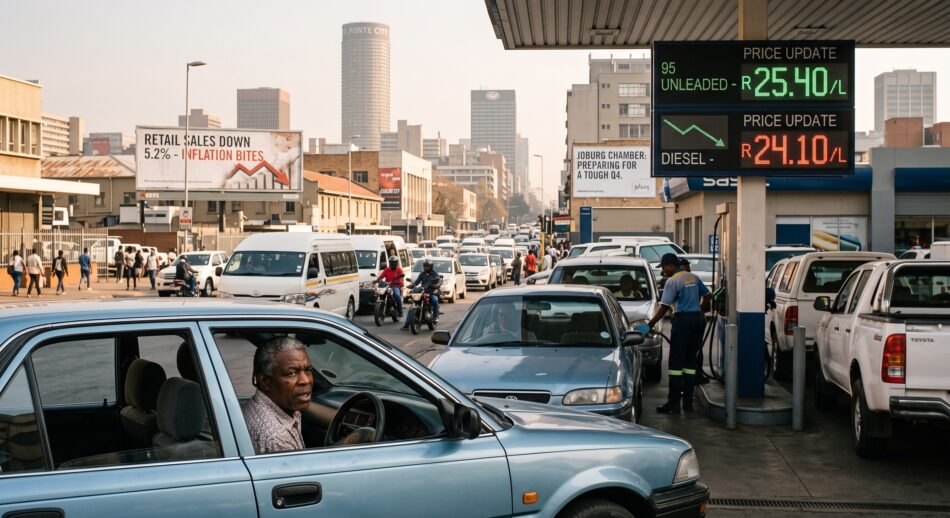
New data from the Central Energy Fund (CEF) paints a worrying picture for motorists, who are bracing for sharp increases in petrol and diesel prices, potentially making the cost of living even more burdensome.
South African Motorists Brace for Steep Fuel Price Hikes Amid Global Instability
Already battered by a hostile economic climate, South Africans now confront the grim prospect of little to no relief at fuel pumps. New data from the Central Energy Fund (CEF) paints a worrying picture for motorists, who are bracing for sharp increases in petrol and diesel prices, potentially making the cost of living even more burdensome.
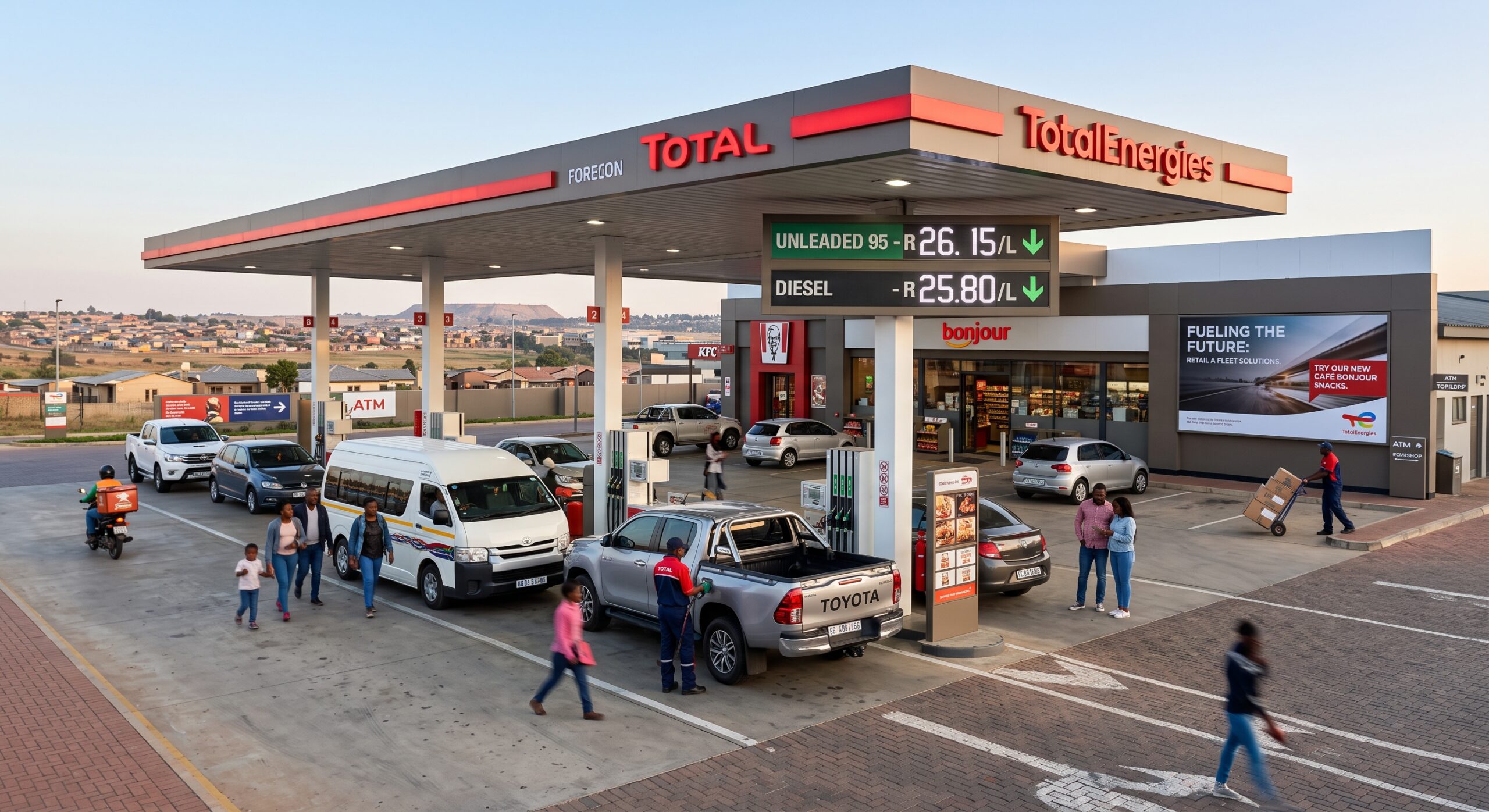
Petrol Prices Slip Into Under-Recovery Territory
Mid-month CEF figures reveal that the cost of petrol 95 has flipped into a 77-cent per litre under-recovery for September 2026, while petrol 93’s under-recovery cushion has narrowed to 66 cents per litre. These figures imply that the government is not fully cushioning consumers from global fuel price surges, and motorists can expect significant price hikes in the coming weeks.
However, it is diesel users who face the harshest blow. Diesel under-recoveries are signaling potential increases between R2.73 and R2.90 per litre. At the beginning of September, petrol under-recoveries stood at nearly R1 per litre, with diesel under-recoveries around R5 per litre, underscoring an already painful start to the month.
Forecasted September Price Increases
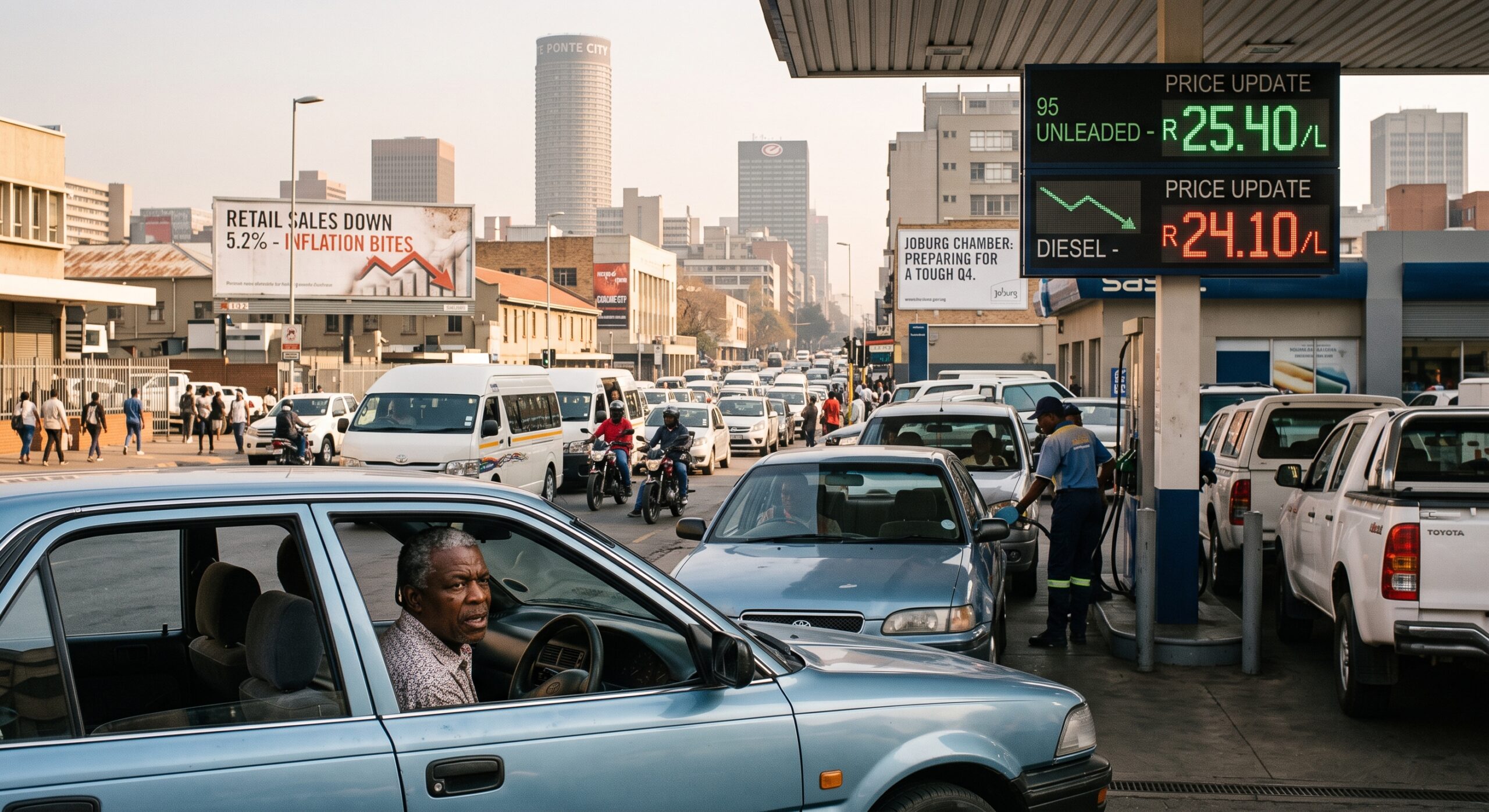
If the current projections hold true, the following price increases could occur in South Africa in September 2026:
– Octane 93 petrol: Increase of approximately 66 cents per litre
– Octane 95 petrol: Increase of approximately 77 cents per litre
– Diesel 0.05%: Increase of approximately R2.73 per litre
– Diesel 0.005% (ultra-low sulphur): Increase of approximately R2.90 per litre
– Illuminating paraffin: Increase of approximately R2.14 per litre
These hikes will exacerbate the already high cost of transportation, placing additional pressure on South African households and businesses alike.
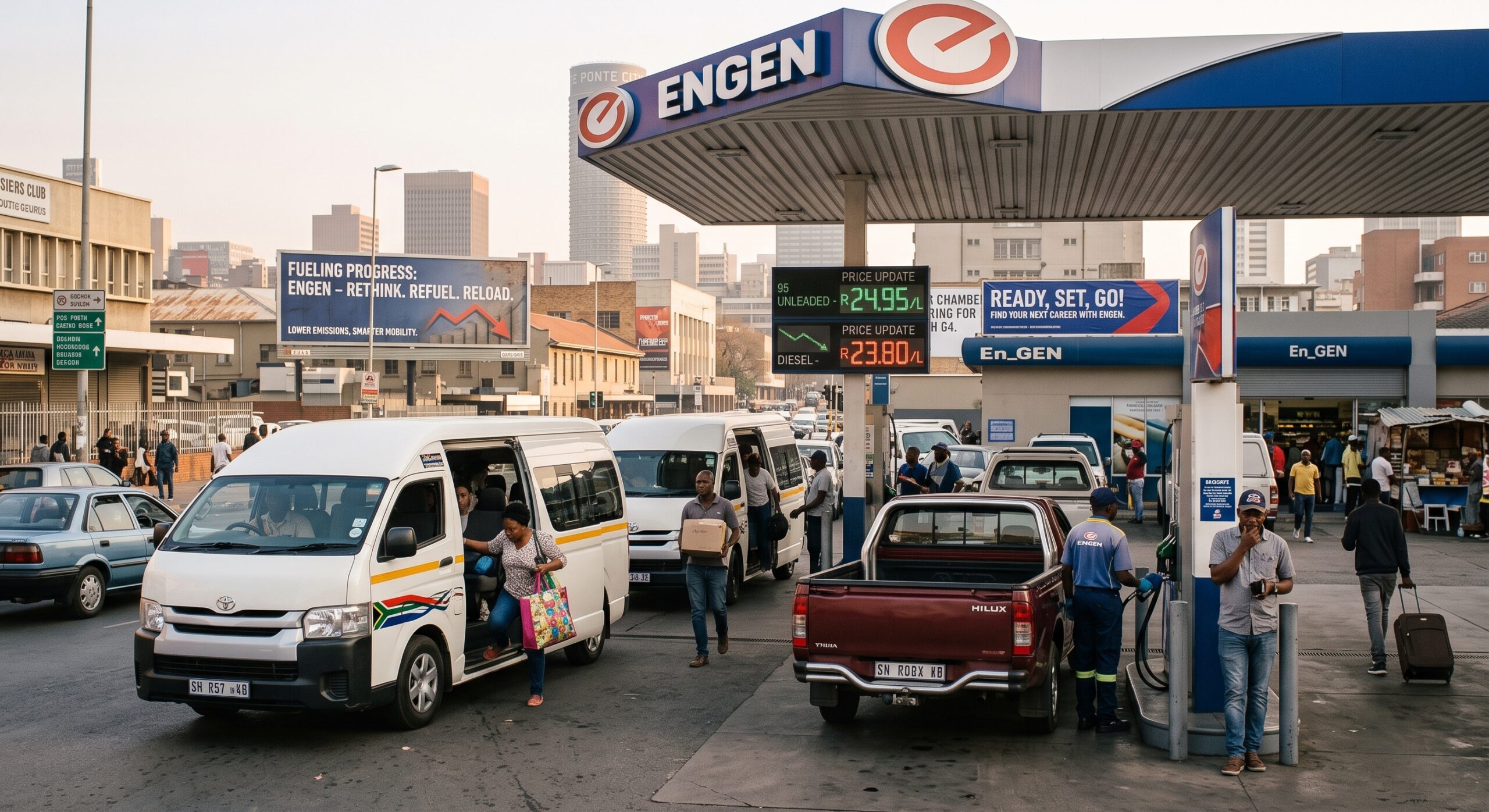
What’s Driving the Surge?
The spike in fuel prices is largely driven by the rise in global crude oil prices, which have surged to about $92 a barrel. This increase comes against the backdrop of escalating tensions in the Middle East, which have destabilized energy markets and restricted supply. The regional conflict has heightened concerns over the security of vital shipping lanes.
The recent collapse of the US-Iran ceasefire deal has reignited fears of a protracted conflict – especially in the chokepoint Strait of Hormuz, a critical artery through which a significant portion of the world’s oil passes. While some vessels have been rerouted through ‘dark’ shipping routes to skirt blockades, these detours have only partially mitigated supply risks.
Geopolitical Flashpoints
US policy under former President Donald Trump has further intensified uncertainty. Trump dismissed the idea of extending the now-expired Tehran agreement, thereby inflaming tensions between Washington and Tehran. While Iran has engaged in talks with Oman over the Strait of Hormuz’s status, the US has steadfastly refused to participate. In a further escalation, Trump reportedly threatened military action against Oman should it interfere with a US naval blockade.
Brent Crude Hits New Highs Amid Middle East Turmoil
Brent crude oil prices have surged by 50% this year, reflecting the combined impacts of geopolitical turmoil and constrained energy supplies from the Gulf. Despite the chaos, Gulf producers such as Saudi Arabia and the United Arab Emirates are striving to keep oil flowing. Saudi Arabia has begun offering cargoes outside the Strait of Hormuz, an operation similar to the UAE’s alternate shipping strategy designed to sustain exports despite regional instability.
What This Means for South Africans
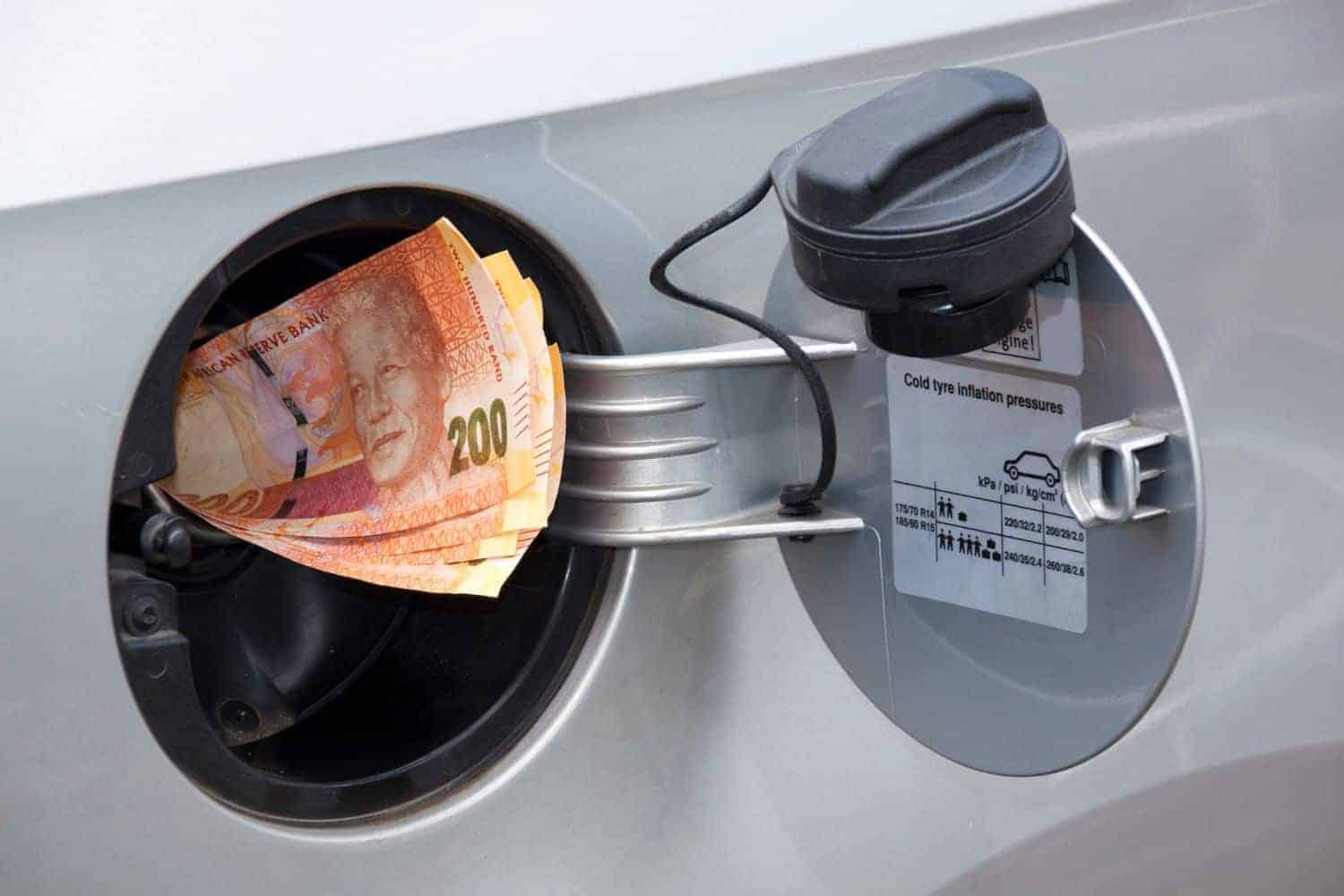
With fuel price hikes looming, South African motorists face a tough road ahead. Higher prices at the pump will inevitably ripple through the economy, increasing the cost of goods and services due to higher transportation and production costs. For a population already grappling with economic hardship, these imminent rises in fuel costs bring no relief and potentially deepen financial strain.
In the face of these challenges, calls for government intervention and energy sector reforms may intensify. Yet, with global oil market pressures unlikely to abate soon, it seems South Africans will have to brace mentally and financially for a prolonged season of fuel price pain.